
Girls’ Education in Afghanistan: Ban Still in Place, 2.2 Million Adolescent Girls Out of School
- আপডেট টাইম : রবিবার, ৩০ নভেম্বর, ২০২৫
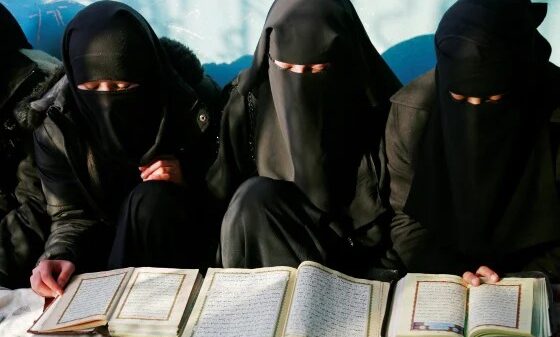
Afghan girls learn the Koran at an Islamic school on the outskirts of Kabul.AFP via Getty Images file
World
Nearly four years after the Taliban returned to power, Afghan girls remain barred from secondary and higher education, leaving approximately 2.2 million adolescent girls without access to schools or universities. UNICEF reports that around 400,000 girls were denied schooling at the start of the 2025 academic year alone.
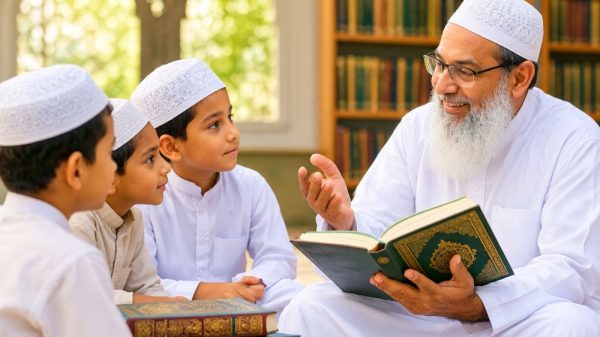
The Taliban claim that there is no “suitable environment” for girls in secondary schools and universities, and have promoted religious schools and madrasas as alternatives. Critics argue that these measures deny girls the opportunity to pursue careers in medicine, science, and other fields, threatening their future and Afghanistan’s development.
International organizations, including UNESCO and UNICEF, have repeatedly called on the Taliban to restore girls’ educational rights, warning that continued restrictions risk stalling progress for an entire generation. Despite these appeals, the doors of schools and universities remain closed to girls, while boys continue their studies.
Experts warn that the long-term consequences extend beyond education. Without trained female professionals, sectors such as healthcare will face severe shortages, and social and economic participation of women will remain stifled. Human rights advocates emphasize that the issue is not only a national crisis but a global concern for justice, equality, and development.
The international community and Afghan civil society continue to press for immediate action, urging the Taliban to allow girls back into classrooms before a generation of Afghan women loses its chance to learn and contribute to the nation.