Bangladesh has made notable progress in advancing women’s rights in recent years, but concerns remain over ongoing discrimination and violence. While women’s participation in education, employment, and politics has increased, ensuring safety and equal rights continues to be a significant challenge.
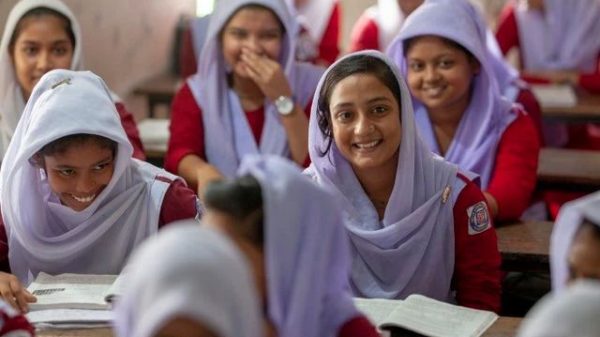
According to data from various government and non-government organizations, female literacy rates have improved and more women are entering the workforce than ever before. Women are now playing key roles in sectors such as administration, education, healthcare, and industry. Experts believe that this progress is contributing positively to the country’s overall development.
However, issues such as violence against women, child marriage, and workplace discrimination still persist. Human rights groups report that many victims face obstacles in seeking justice, including social stigma and lengthy legal processes. These problems are often more severe in rural areas, where awareness and access to legal support remain limited.
Authorities have stated that several laws and awareness programs have been introduced to protect women’s rights. Law enforcement agencies are also working to prevent such crimes and ensure justice. However, critics argue that implementation of these laws remains inconsistent.
Analysts suggest that legal measures alone are not enough. Effective enforcement, along with increased public awareness and a shift in societal attitudes toward women, is essential for lasting change.
Ensuring women’s rights is not only a social responsibility but also a prerequisite for sustainable development. Without equal opportunities and protection for women, true progress cannot be achieved.