
Rise of ISIS Contradicts the True Teachings of Islam
- আপডেট টাইম : রবিবার, ২২ ফেব্রুয়ারী, ২০২৬

Editor : Muhammad Zakir Hossain
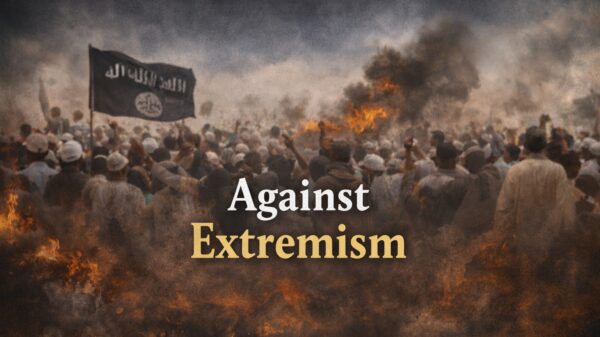
The Islamic State (ISIS) emerged in the Middle East and quickly gained notoriety worldwide for spreading terror and instability. While the group presents itself as a strict enforcer of Islamic law and a defender of the caliphate, its actions are fundamentally at odds with the core teachings of Islam. The rise of ISIS is not merely a political or social phenomenon; it is rooted in religious extremism and the deliberate misinterpretation of Islamic principles.
ISIS claims to fight jihad and establish Islamic governance. However, the primary Islamic understanding of jihad is self-defense and the pursuit of justice, never the indiscriminate killing of innocents. Both the Quran and Hadith emphasize the sanctity of life and the protection of property. ISIS’s acts targeting civilians, abducting women, and attacking both military and non military individuals directly contradict these humanitarian principles.
The group’s rise was facilitated by political vacuum, economic inequality, and social unrest. The 2003 Iraq war and the Syrian civil war created conditions that allowed ISIS to consolidate power. Yet, the claim that it acts in accordance with Islamic law while carrying out massacres and occupation is a complete misrepresentation of the faith. Islam permits warfare only under strict ethical guidelines, and targeting innocent lives, looting property, or ruling through fear has no basis in the religion.
ISIS also cloaks its economic and social exploitation in religious rhetoric. Through oil smuggling, extortion, and illicit trade, it generates revenue while portraying these acts as divinely sanctioned. In reality, Islam emphasizes lawful earning, the protection of others’ property, and respect for human rights principles the group flagrantly violates.
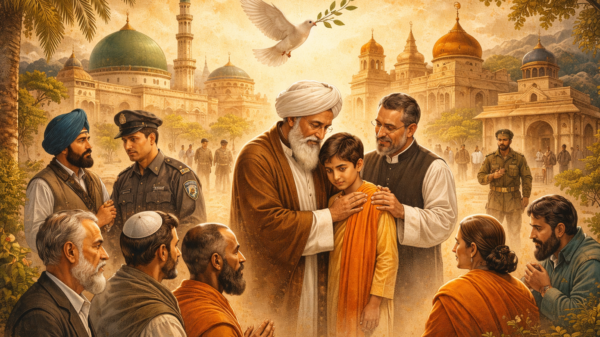
Through online propaganda, ISIS recruits young Muslims worldwide, claiming that anyone who does not follow its ideology is an enemy of Islam. But true Islamic teaching emphasizes tolerance, dialogue, justice, and the protection of human dignity. Extremism and violence distort the faith and mislead vulnerable communities.
while ISIS’s emergence was fuelled by political and social instability, its actions are entirely inconsistent with Islam’s core principles. The religion prioritizes life, dignity, and peace. ISIS’s violent campaigns under the guise of faith are therefore a grave distortion and an example of extreme religious misinterpretation. Preventing such groups requires not only military intervention but also education on Islam’s true teachings, social inclusion, and economic empowerment.