
Terrorist attack in India
- আপডেট টাইম : বৃহস্পতিবার, ১৩ নভেম্বর, ২০২৫
World
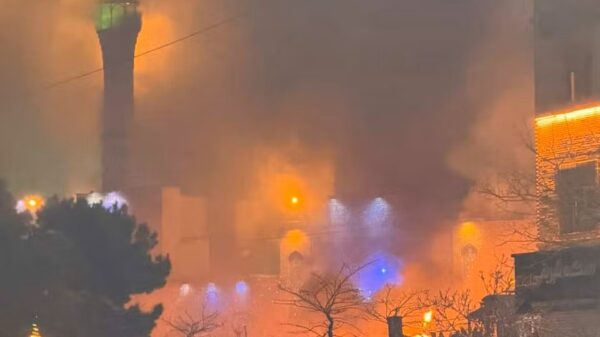
A violent car explosion near the historic Red Fort in Delhi sent shockwaves through the city on the evening of 10 November, leaving at least 13 dead and dozens injured. The blast, which involved a Hyundai i20, occurred close to the Red Fort Metro Station, a busy area that sees thousands of commuters daily. Witnesses described scenes of chaos, with people running for cover as smoke and debris filled the streets.
Emergency responders arrived quickly at the scene, pulling injured civilians from the wreckage and transporting them to nearby hospitals. Authorities confirmed that over 20 people sustained serious injuries, many requiring intensive care. Vehicles in the surrounding area were damaged or destroyed, and parts of the road were rendered impassable due to the explosion.
The Indian government has officially classified the incident as a terrorist attack. Prime Minister Narendra Modi condemned the attack and vowed that those responsible would face justice. The National Investigation Agency (NIA), along with Delhi Police, has launched a comprehensive investigation into the incident.
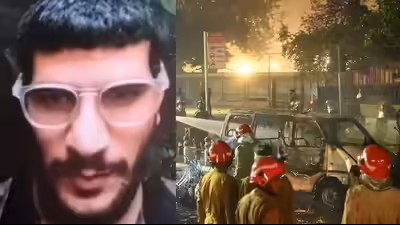
Preliminary findings suggest that the explosives involved were of a high-grade chemical nature, including ammonium nitrate. Investigators have identified Dr. Umar Un Nabi as the prime suspect, allegedly operating the vehicle used in the blast. He is believed to have been assisted by associates, including Dr. Muzammil Shakeel, Dr. Shaheen Saeed, and Dr. Adeel Ahmad Rather. Authorities indicate that this group had prepared multiple vehicles for coordinated attacks, highlighting the scale and planning behind the operation.
The investigation has also revealed potential international links. Dr. Umar was reportedly in contact with an overseas handler based in Turkey, suggesting the involvement of a broader network. Forensic analysis of the vehicle confirmed Dr. Umar’s DNA, directly linking him to the explosion.
Security measures have been heightened across Delhi and neighboring regions. Metro stations, airports, and other high-traffic areas are under strict surveillance, and authorities have urged the public to remain vigilant. The attack has raised concerns about urban security, particularly in areas frequented by large crowds, and has added to geopolitical tensions in the region.
Analysts warn that the sophisticated nature of the attack demonstrates the evolving threat posed by organized terror cells in India. The government and security agencies are working urgently to identify all members involved, dismantle the network, and prevent further incidents.
As the investigation continues, officials have emphasized the need for public cooperation and caution. The Red Fort car explosion serves as a stark reminder of the challenges of safeguarding densely populated urban spaces from coordinated terrorist attacks.