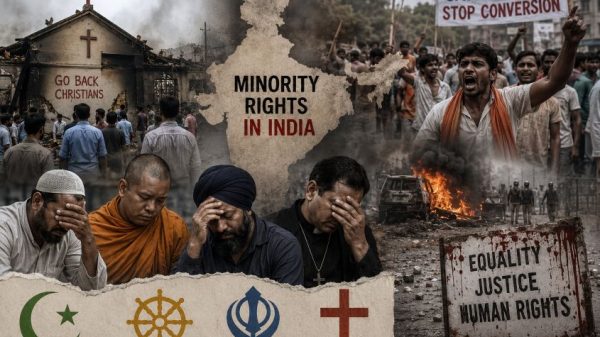
Concerns over the safety and rights of religious minorities in India continue to grow as several human rights organizations report increasing incidents of violence, discrimination, and targeted attacks against Muslims, Christians, Sikhs, and Buddhists in different parts of the country.
According to recent reports published by international and regional human rights groups, minority communities in India have faced intimidation, mob attacks, hate speech, arbitrary arrests, and destruction of religious sites over the past year. Rights activists say the situation has created fear and insecurity among many communities, particularly in politically sensitive regions.
Muslims remain among the most affected groups, with reports documenting incidents of mob lynching, communal violence, and attacks linked to allegations involving religion or dietary practices. Human rights organizations claim that inflammatory speeches and religious polarization have contributed to rising tensions in several states.
In some areas, Muslim-owned businesses and homes were reportedly demolished following communal unrest. Critics argue that such actions often take place without proper legal procedures. Rights groups have repeatedly called for impartial investigations and accountability for those involved in violence against minority citizens.
Christian communities have also reported increasing pressure and harassment. Several churches and prayer gatherings were allegedly attacked by extremist groups accusing Christians of forced religious conversion. Pastors and church workers in different states have reportedly faced threats, detention, and legal cases under controversial anti-conversion laws.
International watchdogs say these incidents are affecting religious freedom and creating an atmosphere of intimidation for Christian minorities, especially in rural regions where tensions are more visible.
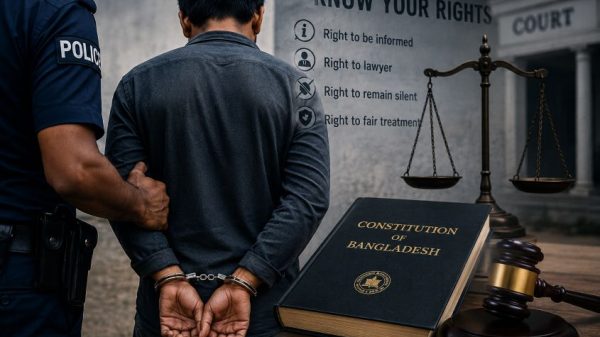
Sikh groups, particularly those advocating political or religious issues, have also expressed concern over surveillance, arrests, and restrictions on freedom of expression. Human rights observers note that Sikh activists have at times faced accusations under strict security laws, raising questions among civil liberties organizations about due process and freedom of opinion.
Meanwhile, Buddhist minorities, especially in regions involving indigenous or tribal communities, have also reported cases of discrimination and social exclusion. Rights campaigners say some Buddhist communities face land disputes, threats, and limited access to social protections.
Several human rights organizations, including international monitoring bodies, have urged the Indian government to take stronger measures to protect minority communities and ensure equal rights for all citizens regardless of religion.
The reports emphasize the importance of protecting democratic values, freedom of religion, and constitutional rights. They also warn that hate speech and communal politics could deepen social divisions if left unchecked.
Indian authorities, however, have repeatedly denied allegations of systematic persecution. Government officials maintain that law enforcement agencies act according to the constitution and that isolated incidents should not be presented as a broader national policy.
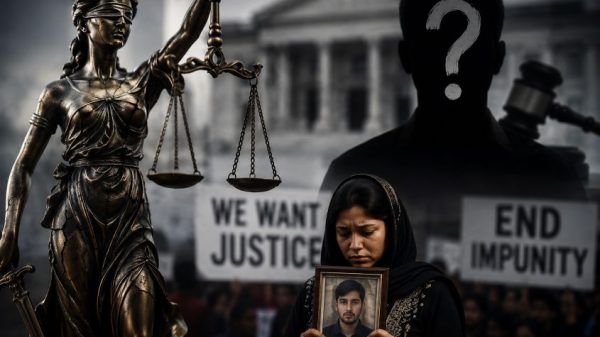
Despite those assurances, rights groups argue that minority communities continue to face challenges in seeking justice. Many victims and their families reportedly struggle with lengthy legal processes, lack of protection, and fear of retaliation.
Observers believe communal harmony and trust among communities remain essential for India’s social stability. Human rights activists say reducing violence and discrimination will require stronger legal protections, responsible political leadership, and clear action against hate-driven attacks targeting minority populations.