
Respecting Other Religions Is the Foundation of Social Harmony
- আপডেট টাইম : বৃহস্পতিবার, ১৭ সেপ্টেম্বর, ২০২৬

Religion is an important part of many people’s lives. It shapes their beliefs, values, traditions and, in many cases, their way of life. People around the world follow different religions and hold different beliefs. This diversity is a natural part of human society. The real challenge is not that we are different, but whether we can live together while respecting those differences.
Respecting another person’s religion does not mean giving up one’s own beliefs. A person can be deeply committed to his or her own faith while accepting that others have the same right to follow their beliefs. This simple understanding is essential for building a peaceful and respectful society.
Unfortunately, religious differences can sometimes become a source of tension. Rumours, misinformation and provocative statements can spread quickly, particularly through social media. A misleading post, an edited photograph or an unverified claim can reach thousands of people within a short time. If people react without checking the facts, a small incident can quickly develop into a serious conflict.
This is why responsibility is so important when discussing religion. People should think carefully before sharing information that could offend or provoke another community. If a claim is not verified, it should not be presented as fact. In an age when information travels faster than ever, responsible use of social media has become a shared social responsibility.
Respect should also be shown towards places of worship, religious festivals, symbols and traditions. People may disagree with another religion’s beliefs, but disagreement does not justify insult, harassment or violence. A healthy society allows people to hold different views without treating those differences as a reason for hostility.
Education has an important role to play in developing this attitude. Children should learn from an early age that people do not all have the same beliefs, customs or traditions. They should be taught that being different does not make someone an enemy. Learning about other religions and cultures can help young people become more understanding and respectful members of society.
Families, schools, community leaders and the media all have a role in promoting religious tolerance. The media, in particular, should report religiously sensitive issues carefully and avoid language that can unnecessarily create tension between communities. Responsible journalism can help people understand an issue rather than deepen divisions.
The state also has a responsibility to protect every citizen, regardless of religious identity. People should be able to practise their religion peacefully and safely. Attacks on places of worship, religious minorities or individuals because of their beliefs should be treated seriously and dealt with according to the law.
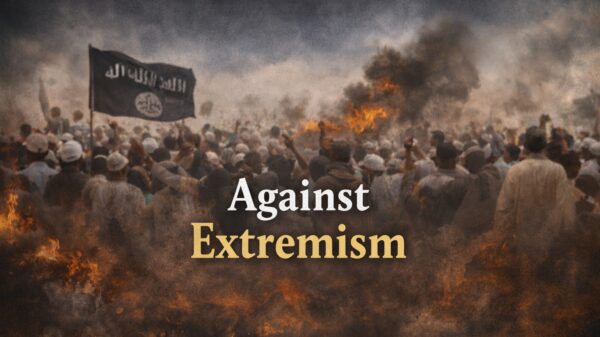
A diverse society becomes stronger when people learn to live with their differences. Helping a neighbour during difficult times, respecting another community’s celebrations and standing against religious hatred are simple actions, but they can make a significant difference.
Ultimately, respecting another religion is not a threat to one’s own faith. It is a sign of maturity, humanity and mutual understanding. We do not have to share the same beliefs to live together peacefully.
We have the right to follow our own faith, but we also have a responsibility to respect the faith of others.