
Human Rights Situation in Bangladesh in 2026
- আপডেট টাইম : বৃহস্পতিবার, ২১ মে, ২০২৬
Staff Reporter
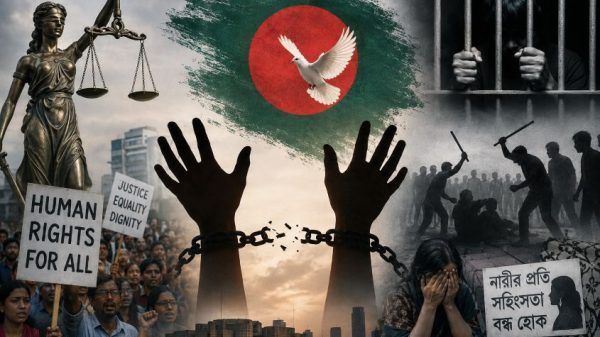
The human rights situation in Bangladesh in 2026 has remained a serious concern despite the country’s economic growth and development achievements. Questions regarding freedom of expression, political repression, enforced disappearances, press freedom, and violence against vulnerable groups continue to dominate both national and international discussions. Although the government frequently highlights its development successes, critics argue that democratic values and civil liberties are gradually weakening.
One of the most alarming issues is the restriction on freedom of speech and media independence. Journalists, writers, opposition activists, and human rights defenders often face intimidation, surveillance, harassment, or legal pressure for criticising the government. According to reports published by international human rights organisations, digital laws and cybercrime regulations are sometimes used to suppress dissenting opinions rather than protect citizens. As a result, many people avoid openly expressing political views due to fear of legal or social consequences.
Political intolerance has also become a major issue in Bangladesh. Opposition parties frequently accuse the authorities of limiting peaceful protests, conducting mass arrests, and using state institutions for political purposes. Violent clashes between political groups have caused injuries and deaths in several regions of the country. Critics argue that democratic systems cannot function properly where opposition voices are constantly suppressed and political competition becomes increasingly unequal.
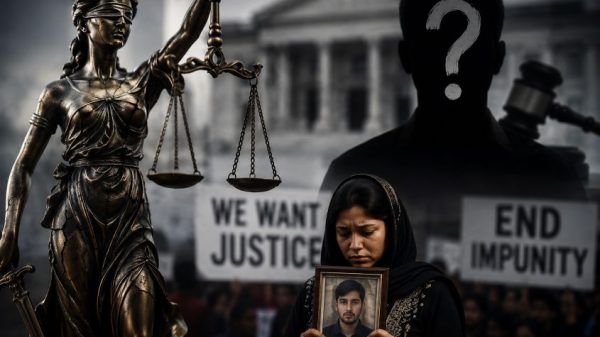
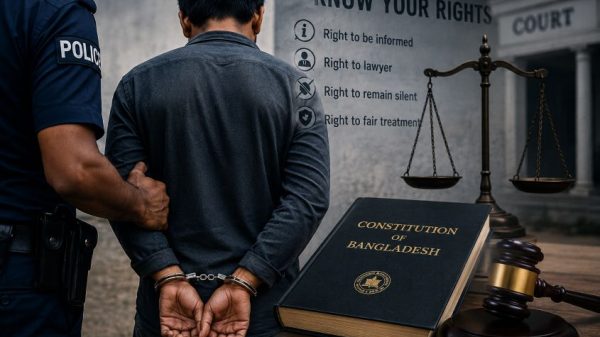
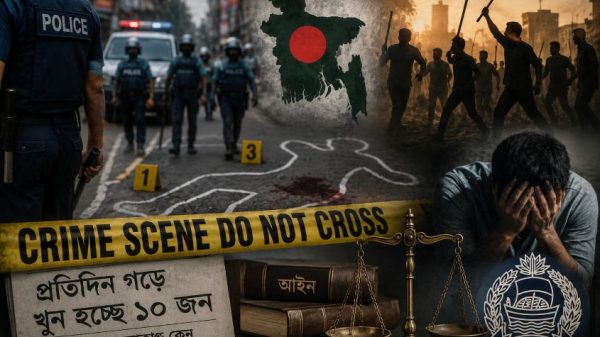
Another heavily criticised issue is the role of law enforcement agencies. Allegations of extrajudicial killings, enforced disappearances, and custodial torture continue to appear in reports by international watchdogs. While authorities often deny involvement, many families of victims still seek justice and accountability. Human rights organisations claim that the absence of independent investigations has created a culture of impunity in which powerful individuals are rarely punished.
The condition of women and children remains deeply concerning as well. Incidents of rape, child abuse, domestic violence, and sexual harassment continue despite stricter laws. Many victims avoid seeking justice because of social stigma, fear, or lack of confidence in the legal system. Human rights activists believe that legal reforms alone are insufficient unless laws are properly enforced and public awareness is improved.
Religious and ethnic minorities also face discrimination and insecurity in different areas of Bangladesh. Reports of attacks on temples, forced land grabbing, and communal violence have raised concerns regarding minority protection. Although the government publicly supports religious harmony, critics argue that minority communities often remain vulnerable during periods of political or social tension.
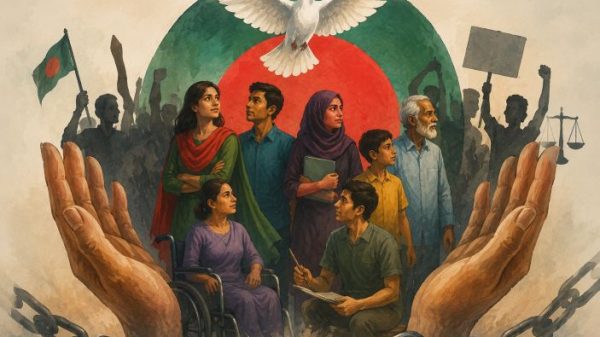
One of the most worrying aspects of Bangladesh’s human rights situation is the growing culture of fear and silence. When citizens become afraid to speak openly, democracy becomes weaker. Development cannot be measured only by economic statistics or infrastructure projects; true development also requires respect for human dignity, justice, and freedom.
To improve the human rights situation, Bangladesh needs stronger democratic institutions, an independent judiciary, accountable law enforcement agencies, and greater protection for freedom of expression. The government must ensure that laws are applied fairly to all citizens regardless of political identity or social status. Without meaningful reforms, the gap between constitutional rights and reality will continue to grow.
In conclusion, Bangladesh in 2026 stands at a critical point where the protection of human rights has become essential for the country’s democratic future. Economic progress alone cannot guarantee stability if citizens continue to face fear, injustice, and inequality. A truly developed nation is one where every person can live with freedom, dignity, and equal rights.