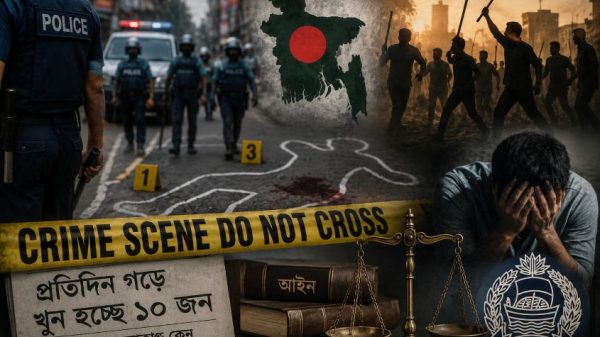
The increasing number of child rape cases in Bangladesh is no longer just a matter of concern; it has become a national crisis. Hardly a week passes without reports of children being sexually abused in homes, schools, streets, or even places that are supposed to be safe for them. These incidents are not only heart breaking but also deeply shameful for a society that claims to value morality and humanity.
What makes the situation even more alarming is the age of the victims. Many of the children subjected to such brutality are too young to even understand what has happened to them. The emotional and psychological damage they suffer often remains with them for the rest of their lives. A child who experiences such trauma loses not only innocence but also the sense of safety and trust that every human being deserves during childhood.
Equally disturbing is the identity of many offenders. In numerous cases, the perpetrators are people known to the victims neighbours, relatives, teachers, or trusted adults. This reality exposes a painful truth: children today are unsafe not only outside their homes but sometimes within their closest circles as well.
One major reason behind the rise of these crimes is the culture of silence that still exists in many parts of society. Families often avoid seeking justice because of fear, social stigma, or concern over “family honour.” As a result, criminals escape punishment and become emboldened to commit further crimes. Delayed legal procedures and weak enforcement of laws also contribute to the problem. Although strict laws exist, justice is often too slow to create fear among offenders.
The decline of moral values is another worrying factor. Exposure to violent and inappropriate content through digital platforms, combined with a lack of ethical education and social responsibility, is gradually creating a dangerous environment. Children are growing up in a society where awareness about personal safety and abuse prevention remains inadequate.
This crisis demands urgent and collective action. The government must ensure speedy trials and exemplary punishment for offenders. Law enforcement agencies should treat child abuse cases with the seriousness they deserve. Educational institutions must introduce awareness programmes so children can learn how to identify and report inappropriate behaviour.
Parents also have a crucial role to play. Children should feel safe discussing uncomfortable experiences with their families without fear or shame. At the same time, religious leaders, teachers, media, and civil society must work together to build social awareness and restore moral accountability.
A nation that cannot protect its children cannot secure its future. Bangladesh must recognise the growing threat of child rape not as isolated incidents but as a serious social disease. Strong laws, social awareness, and collective responsibility are essential to ensure that every child can grow up in safety, dignity, and peace.